

The diagnosis of Lyme borreliosis remains one of the greatest challenges in infectious diseases. This is not only due to the diverse clinical presentation of the disease, but also to the biological specificity of the pathogen and its complex interaction with the immune system. The traditional diagnostic approach is based primarily on serological methods based on the detection of the immune response. However, in recent years, increasing attention has been paid to methods that directly investigate the presence of the pathogen.
The direct diagnostic approach is based on the recognition that the most direct evidence of the presence of infection is the detection of the microorganism itself. The DualDur test fits into this diagnostic direction and is designed to provide additional information for clinical decision-making in cases where Lyme borreliosis is suspected.
Biological features of Lyme borreliosis
The causative agents of Lyme disease are bacteria belonging to the Borrelia burgdorferi sensu lato complex, which are spiral or undulating microorganisms. Their morphology is characterised by a characteristic movement that allows them to actively spread between tissues.
The infection enters the human body through a tick bite. When the tick feeds, the pathogen can enter the host through saliva or contact with the digestive tract and then migrate through the bloodstream to various tissues.
One of the most important features of Borrelia species is their genetic and antigenic variability. The bacterium is able to constantly modify its surface proteins, making it difficult for the immune system to detect in a stable way. This mechanism may contribute to the persistence of the infection in the body and to the fact that the immune response does not always follow the classical pattern.
The role of co-infections in the clinical picture
Ticks may not only carry Borrelia bacteria. Often, a single bite can introduce several pathogens into the body. These are called co-infections and can have a significant impact on clinical signs and diagnostic results.
The most commonly cited co-infections include:
- Babesia, a parasite that infects red blood cells
- Bartonella, which is a genus of bacteria and in some cases can present as a tick-borne infection
The simultaneous presence of multiple pathogens can modify the immune response and the onset of symptoms, adding to the diagnostic complexity.
Dynamics of the immune response in Lyme infection
The immune system responds to the presence of pathogens through two main mechanisms:
- innate immune response
- adaptive (acquired) immune response
During the adaptive immune response, the body produces specific antibodies that recognise and bind the proteins of the pathogen. IgM antibodies usually appear early in the infection, while IgG antibodies develop later and can be detected for a longer time.
In Lyme disease, however, the immune response does not always follow the classical immunological pattern. Borrelia can affect immune function and in some cases can inhibit the transition from IgM to IgG. In addition, the variability in the antigenic structure of the bacterium may cause the immune system to perceive successive generations of infection as new infections.
This may explain the inconclusive results of serological tests in some clinical cases.
Indirect diagnostic methods
The most common laboratory methods currently used are serological tests based on the detection of immune response.
The most common methods:
ELISA - a laboratory procedure that measures the total amount of antibodies produced to Borrelia proteins.
CLIA - Chemiluminescent labelling immunoassay that detects antibodies by light emission.
Western blot/immunoblot - a method that separately tests antibodies to specific proteins of Borrelia and gives a weighted assessment.
PCR - a molecular diagnostic technique that tests for the presence of genetic material from a pathogen.
Serological methods play an important role in diagnostics, but the dynamics of the immune response mean that the interpretation of results always requires a clinical context.
The direct diagnostics approach
Direct diagnostic methods aim to directly identify the pathogen or its components. Examples include:
- microscopic examination
- breeding
- genetic detection
- antigen-based methods
A basic principle of direct detection is that the most direct evidence of the presence of infection is the detection of the pathogen itself.

It is important to note, however, that the presence of a micro-organism does not in itself always indicate an active infection. Therefore, laboratory results should always be evaluated in conjunction with clinical signs.
What is the DualDur test?
DualDur is a laboratory test based on a blood sample that is described as being able to directly visualise the live Borrelia bacterium that causes Lyme disease.
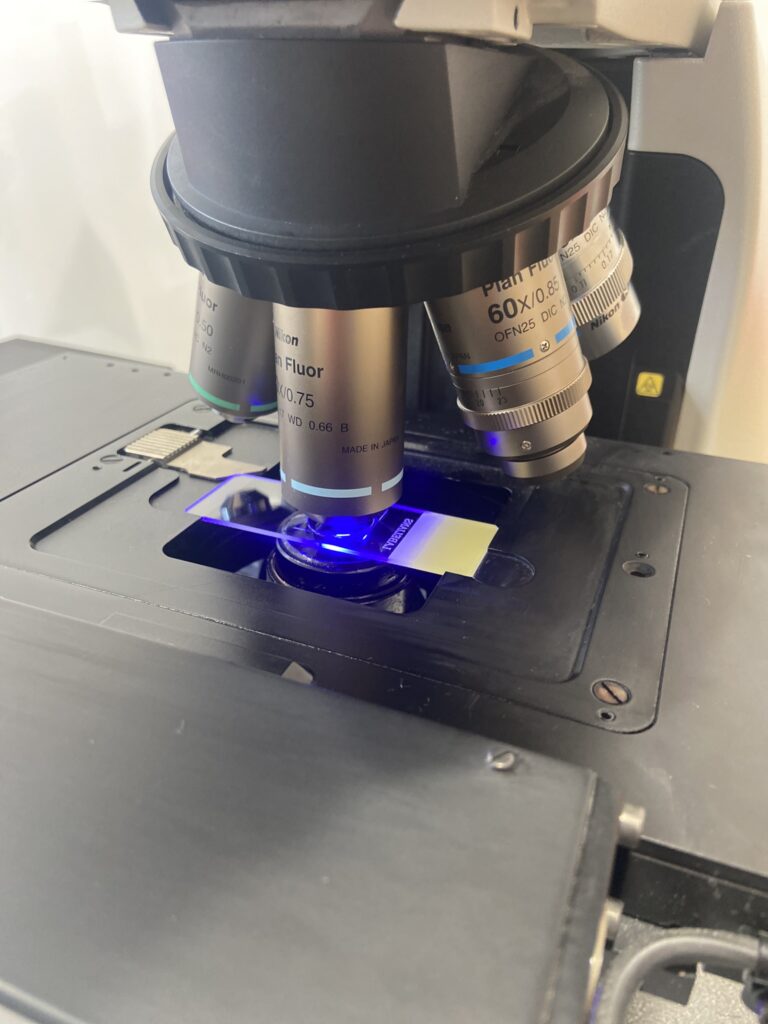
The method uses a special sample preparation that allows the observation of microorganisms by automated darkfield microscopy.
The aim of the test is to provide additional information in the clinical diagnostic process, especially in cases where:
- the symptoms persist
- the diagnosis is uncertain
- additional information needed to make a decision
The method is described as using cell technology to support the visualisation of pathogens in a microscopic environment.
How is it different from other Lyme tests?
One of the defining features of the DualDur method is that it does not measure the immune response, but focuses on the presence of the pathogen.
This approach may be particularly relevant in cases where:
- the immune response cannot be measured
- serological results are inconclusive
- clinical symptoms persist
- monitoring the effectiveness of treatment arises
The test is not a general screening test but is recommended on the basis of clinical indication.
Clinical validation and diagnostic decision support
Clinical validation means demonstrating that a diagnostic method works reliably in a real clinical setting.
The aim of the diagnostic process is not to interpret a single laboratory result, but to make a complex assessment of the clinical picture. Laboratory results are used to support clinical decision-making.
In what cases might an investigation be needed?
According to the description, the test is recommended in cases where:
- Lyme disease is suspected
- prolonged symptoms
- there is diagnostic uncertainty
- multidisciplinary complaints
In clinical practice, several specialties may be involved, for example:
- neurology
- rheumatology
- dermatology
- infectology
Process of investigation
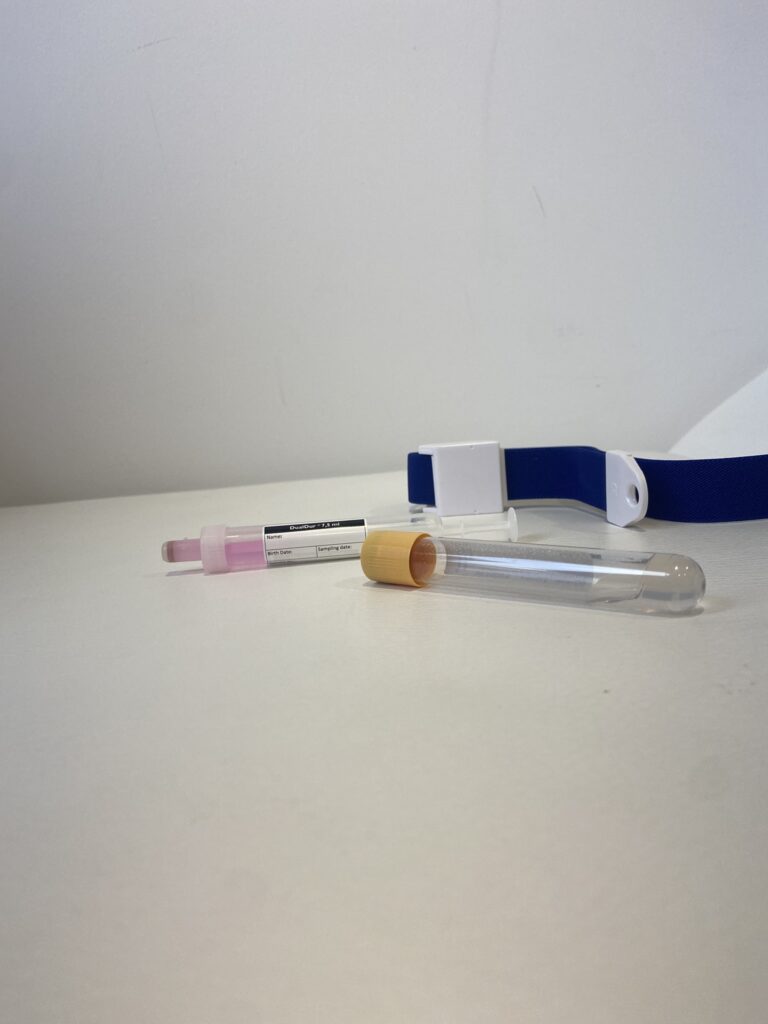
The sample type for the DualDur study is mainly blood, from which the laboratory analysis is carried out. Although in some cases other body fluids may be suitable for testing, in practice blood samples provide the standardised and most clinically relevant sample type.
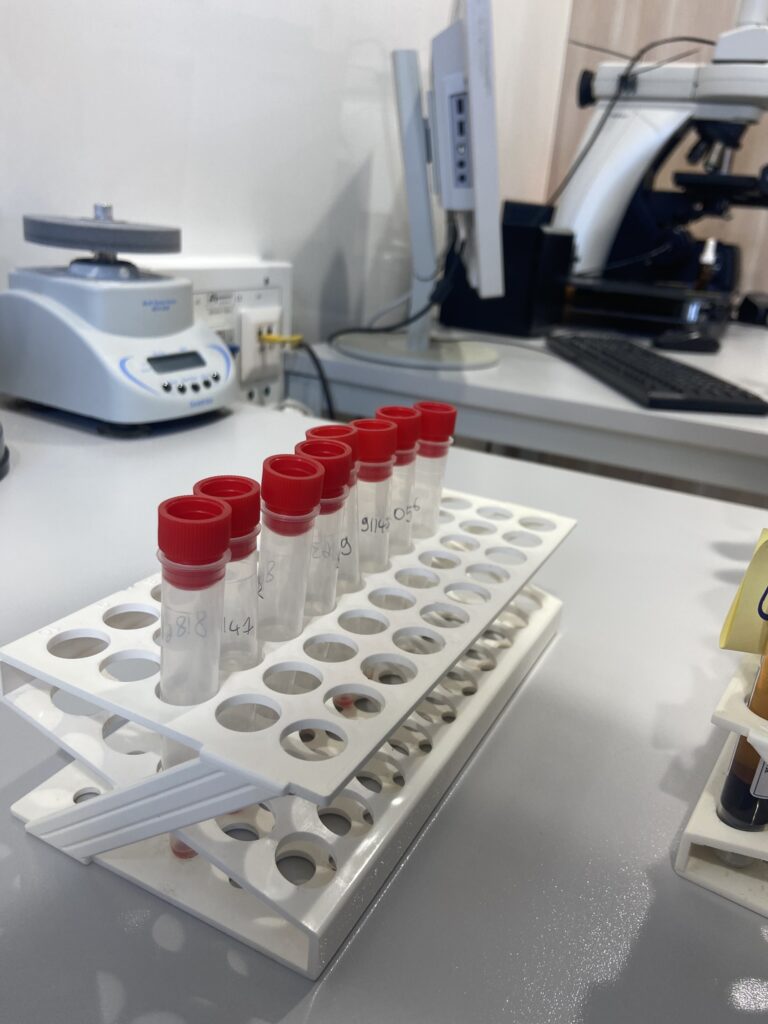
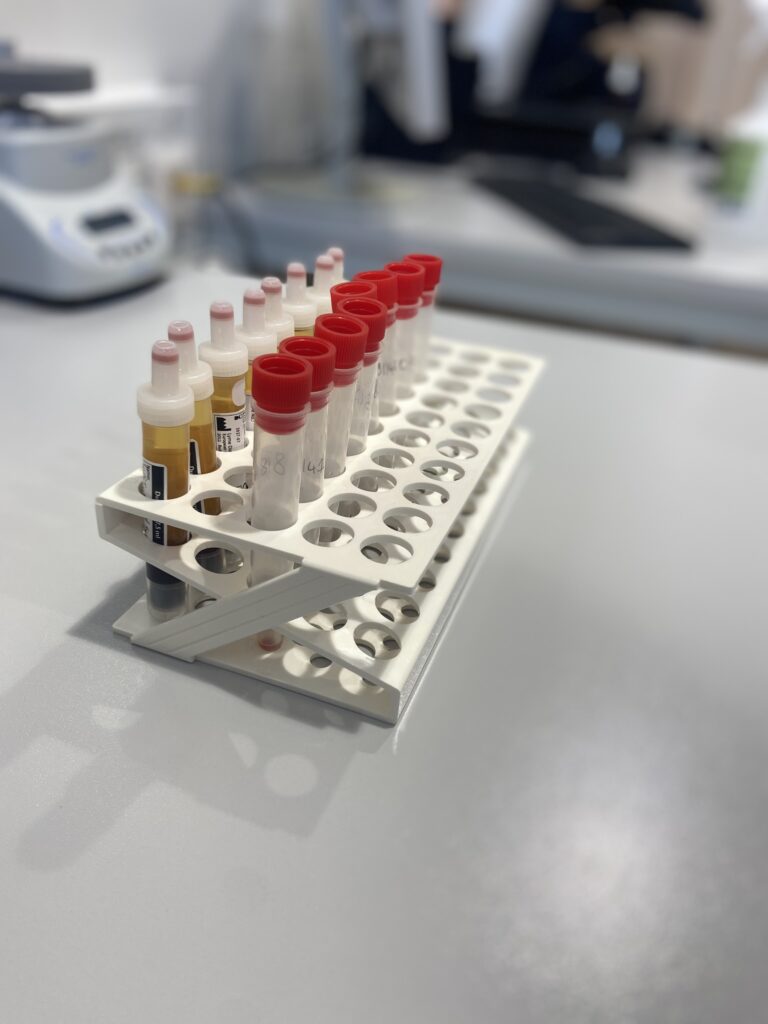
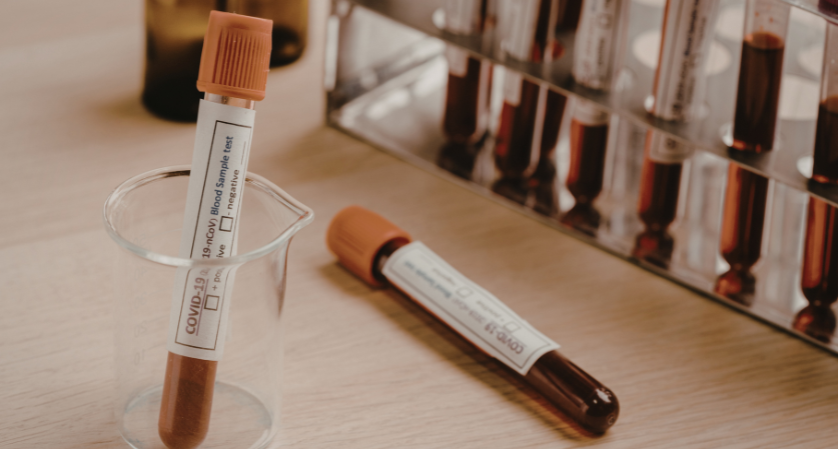
A simple, routine blood sample is taken. The sample taken is subjected to a special laboratory preparation procedure that allows microscopic examination for the presence of the live bacteria that cause Lyme disease. The aim of the method is to directly identify the causative agent rather than to measure the immune response.
After laboratory processing, the result is usually within 2-3 weeks is completed from the time of the blood sample.
The results are published in several formats:
- the patient receives the report by email in PDF format
- the results are also uploaded to the EESZT system
The result may include several test items:
- DualDur (DD) - textual assessment based on microscopic examination
- co-infection investigation - text and image documentation
- serological tests - detailed textual result
- immunofluorescence test - pictorial documentation
The aim of the test is to determine whether the presence of the bacterium that causes Lyme disease can be detected in the sample by microscopy.
Summary
The diagnosis of Lyme disease is a complex process that requires a multidisciplinary approach. The biological specificity of the pathogen, the variability of the immune response and the presence of co-infections all contribute to the diagnostic challenges.
Direct detection methods are designed to provide additional information for clinical decision-making.
DualDur testing is a laboratory approach that builds on direct observation of the pathogen to support the clinical diagnostic process.
Read more:
Are you more deeply interested in this topic?
Lyme Diagnostics Ltd - The Lyme Disease Diagnostics Expert
András Pál Bózsik:The Innovator of Lyme Disease Diagnostics
András Pál Bózsik: Innovation in Lyme disease diagnostics
Dr Béla Pál Bózsik and Lyme disease research: expertise in diagnostics
DualDur project and Lyme disease: new directions in diagnostics


 Hungarian
  English
  Polish
  Spanish